
U.S. Government Shutdown Expected Jan 31 Congress No Deal
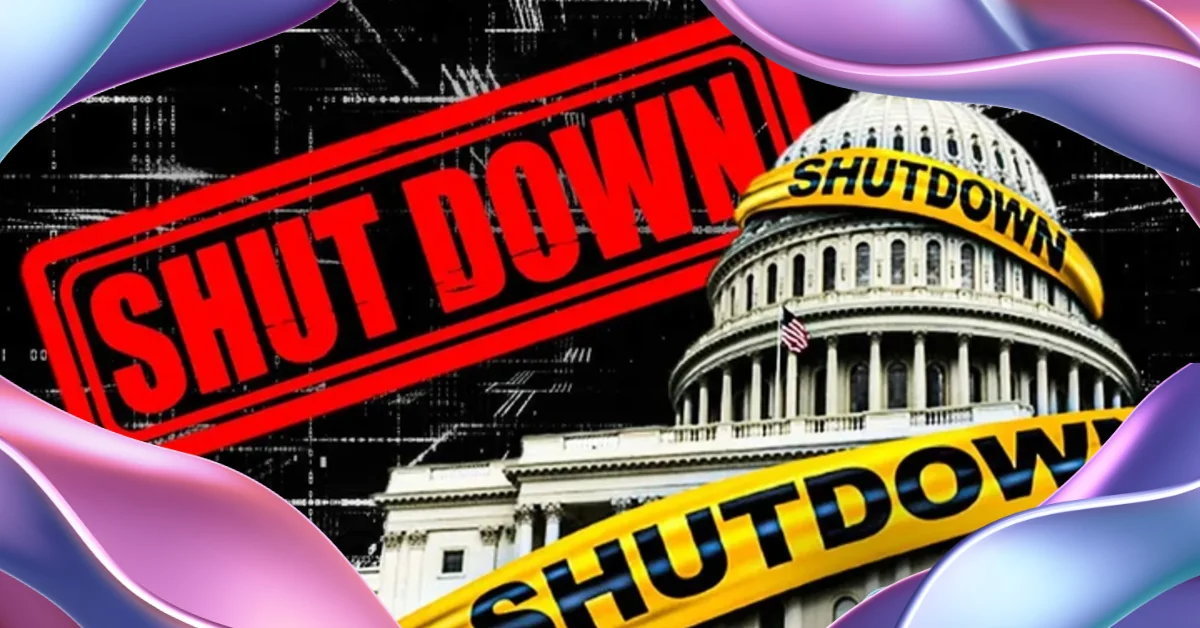
As the deadline of January 31 approaches, concerns escalate over the potential for a U.S. government shutdown. Despite weeks of negotiations, Congress exited Washington without reaching a comprehensive budget agreement, leaving the federal government at risk of partial closure. This impasse highlights deeper divisions between lawmakers and raises questions about the impact on government operations, economic stability, and public confidence.
Background of the Current Budget Negotiations
Since the fiscal year began, lawmakers have been engaged in extended negotiations over nine key spending bills that fund different federal agencies. However, progress has been sluggish due to ideological disagreements and partisan conflicts, particularly between Democrats and Republicans. Congress left the Capitol without finalizing funding, effectively putting the government on a collision course with a shutdown if the issues remain unresolved by the January 31 deadline.
Key Factors Contributing to the Impasse
Divided Party Lines and Ideological Differences
- Republican factions advocating for flat or reduced funding levels across agencies, emphasizing fiscal conservatism.
- Democrats pressing for additional funding allocations for social programs, climate initiatives, and infrastructure projects.
- Disagreements over budgetary allocations and earmarks, complicating the approval process.
Funding Deadlocks and Negotiation Challenges
Negotiations have stalled at multiple points:
- Within House and Senate chambers, where bipartisan negotiations faltered over detailed budget allocations.
- Between committee members, who remain divided on how to distribute funds.
- On the overall spending caps, with top appropriators reaching agreements on high-level totals but failing to settle finer allocation disputes.
Implications of a Government Shutdown
A shutdown would have wide-ranging consequences, including:
- Disruption of federal services and staffing reductions in agencies deemed non-essential.
- Delays in processing Social Security, Medicare, and Medicaid benefits.
- Interruption of national security operations and border security measures.
- Economic repercussions, potentially impacting financial markets and investor confidence.
Economic data releases and key government functions could be compromised, exacerbating uncertainty at a time when markets are already volatile.
The Political Landscape and Future Outlook
Leadership on both sides remains optimistic about avoiding a shutdown, but underlying disagreements persist:
- House Speaker Mike Johnson has expressed hope to pass all necessary funding bills by January 30, aiming to prevent a shutdown.
- Senate leaders Chuck Schumer and John Thune plan to continue informal negotiations even during the recess, aiming to find common ground before the deadline.
- However, some lawmakers advocate for short-term extensions, raising the risk that temporary measures could prolong the uncertainty.
The tight schedule—approximately three weeks once Congress reconvenes—puts pressure on legislators to reach an agreement quickly, especially since the House will be out for one week before the deadline.
Historical Context and Lessons from Past Shutdowns
Previous government shutdowns have demonstrated the economic and administrative disruptions that can occur. For instance, the 2018-2019 shutdown lasted 35 days, costing the U.S. economy billions and disrupting vital services. This history underscores the importance of reaching an agreement swiftly to avoid similar repercussions again.
Potential Outcomes and Strategies Moving Forward
To prevent a shutdown, Congress might consider:
- Passing a short-term funding extension to buy more time for negotiations.
- Reaching consensus on key budget issues, including spending caps and allocation priorities.
- Engaging in bipartisan dialogue to align on critical policy issues that influence funding.
Will Congress overcome these divisions or will the January 31 deadline trigger another government shutdown? The coming days will be pivotal in determining the fate of federal funding and operational stability.
Frequently Asked Questions
What is the main reason for the current budget deadlock?
The primary reason is the ideological divide between parties, with disagreements over spending levels, policy priorities, and specific earmarks preventing an agreement on the budget bills.
What happens if the government shuts down?
A government shutdown results in the closure of non-essential federal services, layoffs of some federal employees, and disruptions to programs like social benefits, national security, and federal operations. Essential services remain operational, but many functions are delayed or halted.
Has the government experienced shutdowns in the past?
Yes, past shutdowns—such as the 2018-2019 executive closure—have shown significant economic and administrative impacts, emphasizing the importance of bipartisan cooperation to fund government operations smoothly.
Is there a way to avoid the shutdown at this point?
lawmakers could pass a short-term extension, negotiate until a comprehensive deal is reached, or include funding provisions in must-pass legislation. However, time constraints make swift action imperative.
Conclusion
The looming threat of another U.S. government shutdown underscores ongoing political divisions and the urgency for lawmakers to find common ground. As the deadline approaches, attention will be focused on negotiations in Congress and whether they can deliver a timely resolution. The stakes are high, and the outcome will significantly impact government operations and economic confidence in the near term.