
Iran to Accept Cryptocurrency Payments from Foreign Weapons Buyers
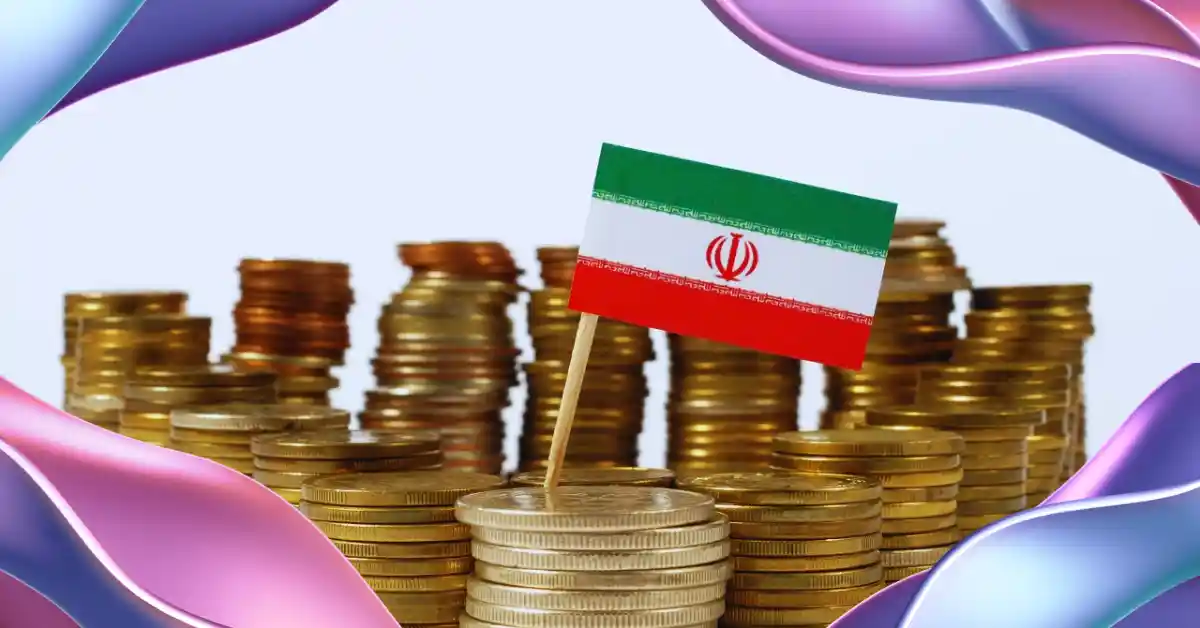
Iran has started accepting crypto payments as an option for foreign buyers of its weapons systems. This step comes as traditional banking methods are largely restricted by global sanctions.
Iran: A Global Arms Exporter
The Iranian government is planning to expand the sale of domestically produced military weapons to foreign governments. Iran’s Ministry of Defence Export (Mindex) claims to deliver weapons to about 35 countries. The country’s official export catalog has more than 3,000 products, including unmanned aerial vehicles, missile systems, naval platforms, tanks, radar systems, and armored personnel carriers.
Iran to sell military equipment in exchange for crypto
Mindex has now added cryptocurrency as a payment option in exchange for its military equipment. Now, foreign buyers can pay for weapons using any cryptocurrency. This payment option applies to various hardware, including ballistic missiles, such as the Emad series, Shahed drones, Shahid Soleimani-class warships, and short-range defense systems.
Barter is another system adopted by the government. Although the military agency claims to have 35 countries as clients, it does not disclose which entities or governments are involved.
Why did Iran adopt cryptocurrency as a payment option?
Numerous reasons led Iran to adopt cryptocurrency as one of the payment options. Western sanctions, especially from the U.S. and the E.U., have imposed restrictions on traditional financial networks like the SWIFT system.
Iran also suffered economic instability, massive depreciation, and high inflation due to the sanctions.
The government adopted cryptocurrency as a payment option because it offers decentralized and peer-to-peer transactions that are hard to track by international bodies. Mindex explicitly states on the official website that the new policy can ensure contracts are completed without disruptions.
It is also mentioned on the site that buyers must agree to conditions about how weapons would be used “during a war with another country.” The site also says that all the terms are negotiable between the contracting parties. An online portal and virtual chatbot are also available to guide customers through the process.
Iran’s new policy raises geopolitical concerns
Iran’s new policy to add crypto as a payment option for military exports has raised geopolitical and regulatory concerns. We are familiar with the tensions between the United States and Iran. Many experts predict that Iran’s policies will attract more scrutiny from regulators.
Moreover, risks are higher for countries that use traditional payment methods and can face restrictions under US and allied sanctions programmes. Also, they can face a ban on accessing Western-linked banking and trade services.
Bottomline
Analysts have raised concerns about crypto-linked weapon sales. With the history between Iran and the U.S., governments are likely to implement tighter monitoring systems for recording crypto flows. Centralized exchanges will be pressured to strengthen geofencing and compliance. European regulators are also expected to tighten their frameworks. International regulatory bodies like the Financial Action Task Force (FATF) may update their guidance associated with virtual assets and high-risk use cases. Iran’s new policy also raises concerns about the limits of managing cryptocurrency transactions.